Why I Trust Phantom: A Practical Guide to the Phantom Wallet Download Extension
Whoa! This whole Solana wallet thing moves fast. Seriously? Yes — and that’s part of why a reliable browser extension matters. My first memory of Phantom felt like stumbling into a crowded farmer’s market: bright, loud, and full of interesting booths, except the booths were NFTs and token swaps. At first I just wanted a quick way to check balances. Then I ended up learning a ton about how browser extensions interact with dapps, permissions, and key management.
Here’s the thing. Extensions are both convenient and risky. Shortcuts can save minutes or cost you everything. My instinct said “be careful” the very first time an app asked to connect to my wallet. Initially I thought any extension labeled “phantom” would do. Actually, wait—let me rephrase that: I thought a lot less about authenticity than I should have. On one hand, the UX was slick; on the other hand, some copies of wallet extensions are imposters. So yeah, vetting the source matters.
Phantom is a browser-based Solana wallet. It stores your private keys locally and offers a clean UI for sending SOL, managing tokens, and interacting with decentralized apps on Solana. It feels intuitive. You can manage NFTs, stake, and sign transactions without leaving your browser. But the key part — pun intended — is installation. Bad install, bad things. Good install, smooth sailing.
How I Install and Verify Phantom (short checklist)
Okay, so check this out—first, always go to a trusted link. If you want the official Phantom extension, use the official landing page or verified store listing. I usually open the Chrome Web Store (or the Edge/Add-on store) from a trusted search, then confirm the publisher and reviews. If anything feels off, I close the tab. My gut matters. Hmm… trust but verify.
Another good move is to compare the extension’s homepage with the link I expect. If you want to skip the store step sometimes — and some people do — there’s a direct place you can use: phantom wallet download extension. That saved me once when a storefront was acting weird. Not advertising — just practical. Also, double-check the number of users and update history. Legit extensions update often.
Short tip: backing up your seed phrase is non-negotiable. Write it down on paper. Not on your phone. Not in a cloud note. I know, it’s old-school. But if your machine gets compromised, physical backup is your bailout. I once had a minor panic (long story short: spilled coffee near my desk), and my paper backup saved the day. Seriously, paper beats pastebin.
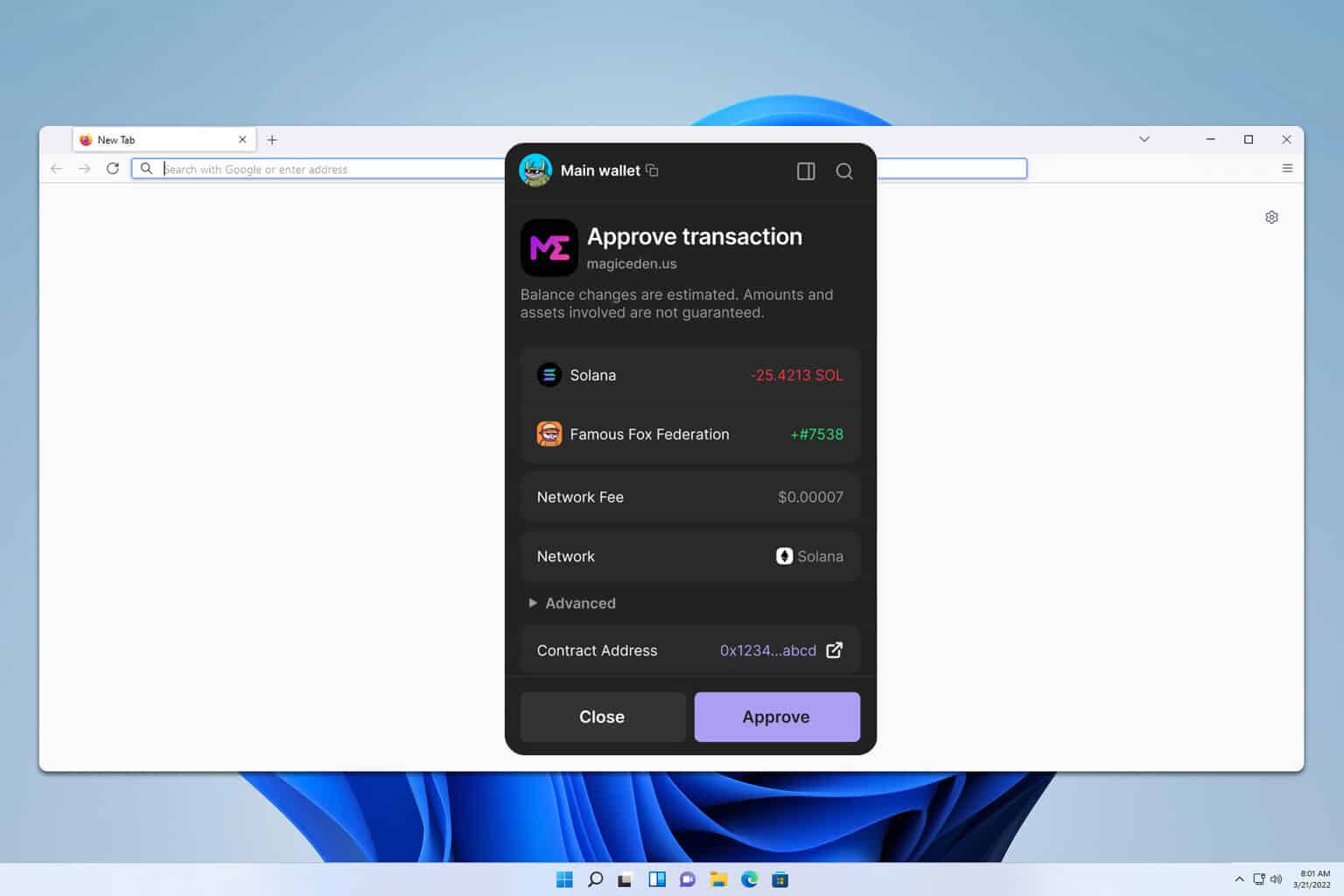
Permission hygiene is something that bugs me. Some sites ask to connect and then request broad access to your wallet. That’s usually not required. Approve only the minimum needed. The Phantom extension prompts are clear, but users sometimes click too fast—human thing. Be intentional. If a dapp asks to sign multiple transactions in a row, pause. Something felt off about a request once, and my pause prevented a bad interaction. I’m biased, but slow clicks help.
Now the tech-y bit. Phantom interacts with Solana via a browser-injected provider, similar to how other wallets work on their chains. It uses JSON-RPC endpoints and signs transactions locally. This design keeps private keys off remote servers. On one hand, local signing reduces server-side risk; on the other, it puts the onus on you to protect the device. So, device security equals wallet security.
Initially I thought hardware wallets were overkill for my small everyday holdings, but then I realized they provide another shield. Actually, wait—let me rephrase: for significant balances, combining Phantom with a hardware signer (when supported) is a best practice. On lower amounts, Phantom alone is convenient. But if you ever plan to hold a lot of SOL or NFTs that matter to you, consider the extra layer.
Transaction culture on Solana is different. Fees are tiny. Speed is fast. That changes behavior. People trade and mint on impulse. That’s both awesome and dangerous. You can be in a marketplace mint queue one minute and realize you approved a contract you didn’t fully read the next. Take a breath. Read the permission text. I repeat — read it.
There are also small quirks you’ll notice with Phantom. It sometimes groups tokens in a way you might not expect. The UI evolves every few months. Updates can add features or change flows. Keep an eye on the release notes. Oh, and by the way, the balance display can hide low-precision tokens unless you expand the list — annoys me, but it’s fixable.
Practical Safety Tips
1) Use a unique password for the extension (and lock your browser profile). 2) Back up the seed phrase on paper, two copies in different safe places. 3) Verify links before you download. 4) Limit approvals; revoke unnecessary dapp permissions periodically. 5) Consider a hardware wallet for serious holdings.
Also: test transactions. Send a small amount first. This one step can save headaches. I sent a test transaction once and caught a wrong address — whoops, but fixed quickly. Tiny, low-cost steps like that build confidence and avoid big mistakes later.
FAQ
Is Phantom the same as “sol wallet” or “Solana wallet”?
Short answer: Phantom is a Solana wallet implementation for browsers. “Solana wallet” is a generic term. “sol wallet” might refer to several apps or commands. Phantom is one popular option among many. Choose based on features and your comfort.
Can I move my wallet to another device?
Yes. Use the seed phrase to restore the wallet on another device. Keep the seed safe. Do the restore on a secure machine. If you ever use a public computer, never paste seed phrases into anything.
What if I lost my seed phrase?
Then you can’t recover the wallet. That’s the hard truth. There are no backdoors. People get creative (theres some social recovery schemes), but the practical reality is prevention—store it safely upfront.
Alright, to wrap — not with a stiff summary but a real note: trust grows from small consistent choices. Download from the right place. Back up physically. Click slowly. Those steps are low effort and high payoff. My closing vibe is cautious optimism. The Solana ecosystem is full of potential, and Phantom makes it usable in the browser, but you still have to steer the ship. Somethin’ to chew on.