
Why your browser wallet probably worries me (and what to do about it)
Whoa! I was digging into my browser wallet last week. It asked for account permissions before dApp context loaded. Initially I thought this was just sloppy UX, but then I realized the pattern repeated across tabs and sessions and my instinct said something else might be happening. My first impression was that I should investigate further.
Seriously? Browser extension wallets are convenient, sure, but convenience cuts both ways. Permissions prompt wording is often vague and people click through. On one hand having a single click to connect streamlines onboarding for users, though actually when you map the permission surfaces across different networks and contract types the attack surface balloons in nonobvious ways. Here’s what bugs me about that trend in the wild.
Hmm… I started testing with a few popular extension wallets. I looked at permission dialogs, console logs, and transaction previews. My approach was systematic: open extension, connect to a controlled dApp, record prompts, simulate phishing pages sending crafted messages, and note where the extension failed to ask the right clarifying questions that a cautious user would want answered. Actually, wait—let me rephrase that with more precise wording now.
Whoa! One extension stood out for its thoughtful UX and granular permission model. That’s where Rabby comes in as an interesting option for power users. Initially I thought the usual suspects—seed phrase export, allowance approvals—were the main risks, but a deeper look shows social engineering, malicious RPC endpoints, and subtly permissive allowance APIs often pose the most immediate practical threats to everyday DeFi users. I’m biased, but the idea of finer-grained approvals matters.
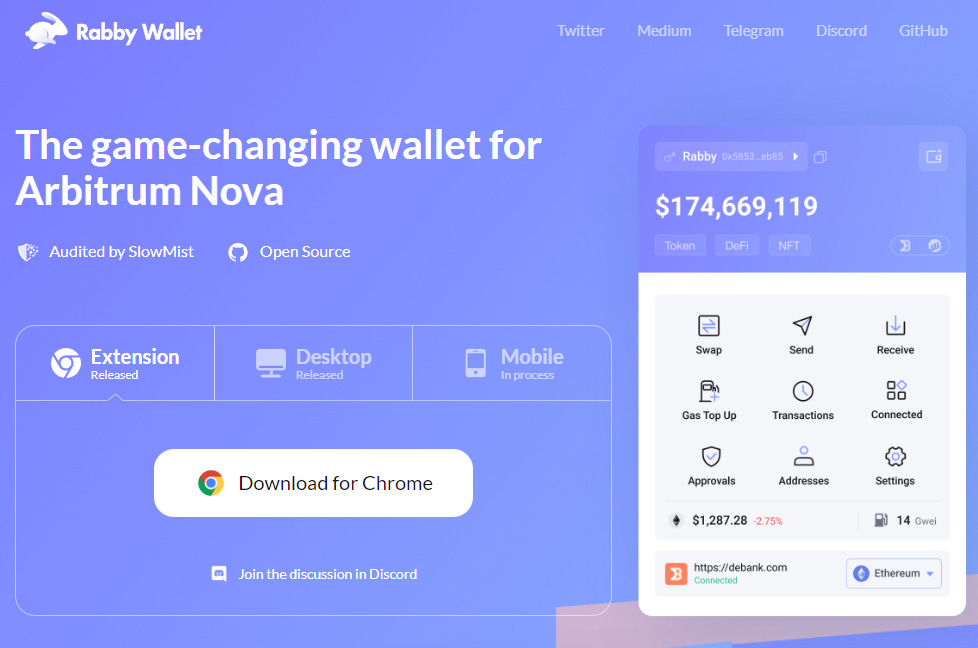
Really? Okay, so check this out—Rabby offers more control over allowances and transaction previews. You can limit approvals to exact amounts and set time bounds. My instinct said ‘that’s useful’, though actually the benefit becomes clearer when you simulate long-lived approvals being exploited by automated flash-loan bots and realize that a single sloppy approval can cascade into a big loss across protocols if unchecked. I’ll be honest—the small UI choices make a huge security difference.
Wow! But it’s not just Rabby or any single wallet that determines your risk. Your browsing habits, which extensions are enabled, and which sites you trust matter too. On the other hand, a disciplined workflow—isolated browser profiles, transaction checks on hardware wallets, and ephemeral accounts for high-risk interactions—reduces exposure significantly even when some parts of the stack are imperfect, though of course it requires extra effort and some education. Something felt off when I saw users skipping those steps.
Somethin’ else… There are trade-offs between usability and security, very very real trade-offs. A new user may fear granular controls and abandon a flow. On one hand too many prompts can train people to reflexively approve, though on the other hand inadequate prompts leave them blind to dangerous allowances and rogue contract intents, so the design challenge is subtle and must be informed by real user testing across demographics. This part bugs me because product teams often guess instead of measuring.
Quick start — try it yourself
If you want to experiment with a wallet that prioritizes allowance control and clearer transaction previews, try the Rabby extension at https://sites.google.com/cryptowalletextensionus.com/rabby-wallet-download/ and test it first on a burner account before moving funds.
Hmm. If you care about safety, try the controlled experiments I mentioned. Also, keep an eye on RPC endpoints and signer confirmations. For folks wanting a practical next step, download a wallet that emphasizes allowances, test it against a burner account before moving funds, and consider migrating larger balances to hardware-backed solutions while keeping smaller amounts in hot wallets for active trading or bridging, because layered defenses work better than any single silver bullet. You can start with an option like the Rabby extension linked above.
FAQ
Should I stop using browser extension wallets?
No—stop is extreme. Use them thoughtfully. Keep most funds in a hardware wallet and only move what you need into an extension for active use, and make small tests before approving large transactions.
How do allowance approvals actually get exploited?
Often via long-lived approvals to malicious contracts or compromised sites that then call approved functions. Limit approvals, set expirations when possible, and revoke unused allowances periodically—this reduces the blast radius of a single mistaken click.