
Why your browser wallet feels unsafe — and what I actually do about it
Whoa!
Okay, so check this out—browser extension wallets are everywhere now, and I’m both thrilled and a little skeptical. My first impression was excitement; then a few late-night exploits made me sit up. Initially I thought extension wallets were mostly convenient, but then I realized convenience sometimes comes with surprising attack surfaces that most folks gloss over. Honestly, somethin’ about auto-approvals and deep-linking still bugs me, and I’ll explain why with some real-world thinking.
Hmm…
User habits are the real weak link. People click fast. They approve pop-ups without reading. On one hand that’s human and understandable; on the other hand it’s exactly what attackers count on when they craft deceptive signatures and phishing dapps. Actually, wait—let me rephrase that: attackers rely on context confusion, not always technical vulnerabilities, though those exist too.
Seriously?
I saw a gasless token scam last year that looked legitimate until you inspected the calldata. At first glance the request said “Approve”, but the calldata allowed unlimited transfer rights to an unknown contract. My instinct said this felt off, so I dug deeper and saved a handful of users from losing ETH. That taught me two things: UX must highlight risk, and people need tools that prevent common mistakes without sounding like a law textbook.
Whoa!
Here’s a concrete pattern that repeats in DeFi security problems: context collapse. Users think they’re interacting with a familiar dapp, but the browser tab is swapped, or a wallet pop-up is faked by a malicious extension. That is the crux. Long permissions, confusing origins, and granting unlimited allowances all combine into a perfect storm for a mistake that costs real money, especially in the US where people are used to fast decisions and quick mobile habits. My instinct still twinges when I see a tiny modal asking for a huge permission.
Hmm…
Let me be practical. Use a wallet that isolates session contexts and makes grants explicit. Don’t give blanket allowances. Break actions into atomic steps. If a transaction looks like it wants permission to move everything, stop and ask: “Does this dapp really need that?” On the technical side, smart wallets should show decoded calldata and human-friendly summaries instead of raw hex. That’s a small design change that has huge impact on security outcomes.
Whoa!
I’m biased, but browser extension wallets can be very secure when built right. They have to balance usability and defense-in-depth. A good wallet will employ heuristics to detect phishing patterns, restrict cross-origin messages, and provide a clear revoke flow. Also very important: permissions histories and nonce-aware transaction previews, which less polished wallets often omit. Those are not just features; they’re safeguards that matter when a phishing campaign scales fast.
Seriously?
Yes—because attackers adapt. They use social engineering mixed with subtle UI tricks. So the wallet’s mental model must match the user’s mental model. The wallet should answer “Who can touch my funds?” and “What exactly will this transaction do?” in plain English, right where the user needs it. Long, technical descriptions are useful, but human-readable summaries stop careless mistakes earlier.
Whoa!
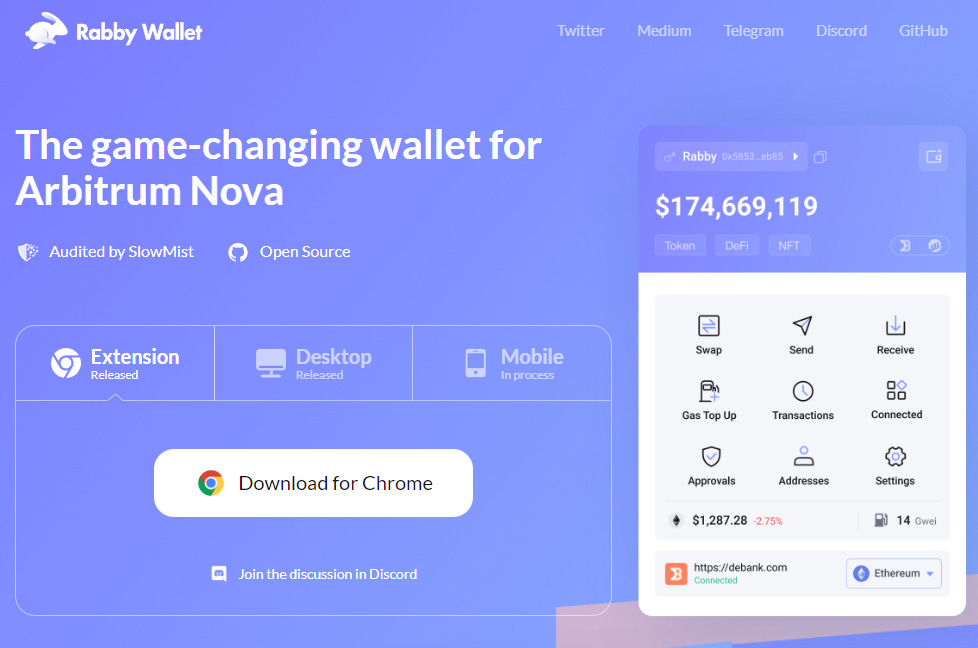
One tool I recommend to friends and to anyone who asks is a wallet that prioritizes transaction clarity and approval controls. Check this out: if you want a convenient yet secure extension, consider trying rabby wallet for a few sessions and see how it changes your workflow. The onboarding is simple, yet it forces clear permission decisions and makes allowance revocation easy. I’m not shilling; I use it in tandem with hardware wallets for larger sums and as my daily driver for smaller transactions.
Hmm…
Quick aside: I always keep a small “operational” balance in extension wallets and the rest in cold storage. It reduces stress and attack surface. Also, please please please avoid storing seed phrases in plain text on your laptop — that is basic, but people still do it. I once found a seed phrase in a work document. Yikes. It felt like watching someone leave their house keys on the cafe table.
Whoa!
Now a bit of deeper thinking—how do we design for both novices and power users? Initially I assumed different UIs were necessary. But then I realized that progressive disclosure works better: default to safe, offer advanced options behind clear warnings, and log all approvals. On one hand, power users need fine-grained controls; on the other, novices need guardrails that prevent catastrophic mistakes. Good wallets reconcile that tension rather than pretend it’s not there.
Seriously?
Yes, reconciliation is the right word. For example, a wallet might default to “one-time approvals” and make unlimited approvals opt-in with multiple confirmations. It should also provide contextual help that explains why a step is risky in plain language. That small nudge can stop an irreversible on-chain loss. Design decisions like this scale: they affect thousands of users with varying risk tolerances.
Whoa!
Operationally, here are practical steps I recommend for everyday DeFi safety: keep minimal funds in extension wallets, verify contract addresses on trusted sources, prefer dapps with on-chain transparency, and use wallets that show decoded calldata. Also review and revoke old allowances periodically. These habits take minutes but save countless headaches. Oh, and if you get a signature request that asks for “Approve” with no human-readable detail—cancel it.
Hmm…
On policy: developers of extension wallets should push platform vendors for better extension isolation APIs. Chrome and other Chromium-based browsers made progress, but more granular message channels would reduce attack vectors. Honestly, this part frustrates me because progress is slow, and attackers move faster than standards. Still, user-facing mitigations remain the first and most effective line of defense.
Whoa!
I’ll be honest: no system is perfect. There will always be tradeoffs between friction and security. My approach is pragmatic: add a tiny bit of friction that prevents the biggest risks while keeping UX smooth for normal actions. Users tolerate a confirmation step for a high-risk approval if it’s explained simply. They don’t tolerate a dozen pop-ups for routine swaps.
Final thoughts and a realistic practice
Alright, think of your wallet like a physical wallet and your browser like a busy city street; you wouldn’t leave your cash on a park bench. Treat dapps like strangers asking to borrow your car keys. Test a secure extension like rabby wallet for a week, get comfortable with its revoke flow, and couple it with a hardware wallet for larger holdings. This routine creates a small habit loop that prevents very very expensive mistakes.
FAQ
How do I reduce risk in daily DeFi use?
Keep only operational funds in your browser wallet, double-check contract addresses, prefer one-time approvals, and use wallets that present decoded transaction intent. Also, revoke old approvals and use hardware wallets for large transactions. It’s simple but effective, and it adds only minor friction to your routine.
What should I do if I suspect a phishing signature?
Stop immediately. Do not approve anything. Disconnect the dapp, revoke any suspicious allowances, and move remaining funds to a secure wallet if possible. Report the dapp to community channels and the wallet vendor. It stinks to have to do this, but acting fast reduces damage.